

+86 153 2089 3285
gavinwangfoshan@gmail.com
gavinwangfoshan@gmail.com
Lecong is the reason most foreign furniture buyers come to Foshan and the reason many of them leave confused. It is a district in Shunde where dozens of showroom buildings sit within a few kilometres of each other, containing thousands of supplier booths across every category and price tier. There is no central map, no single price level, and no obvious order to walk it in.
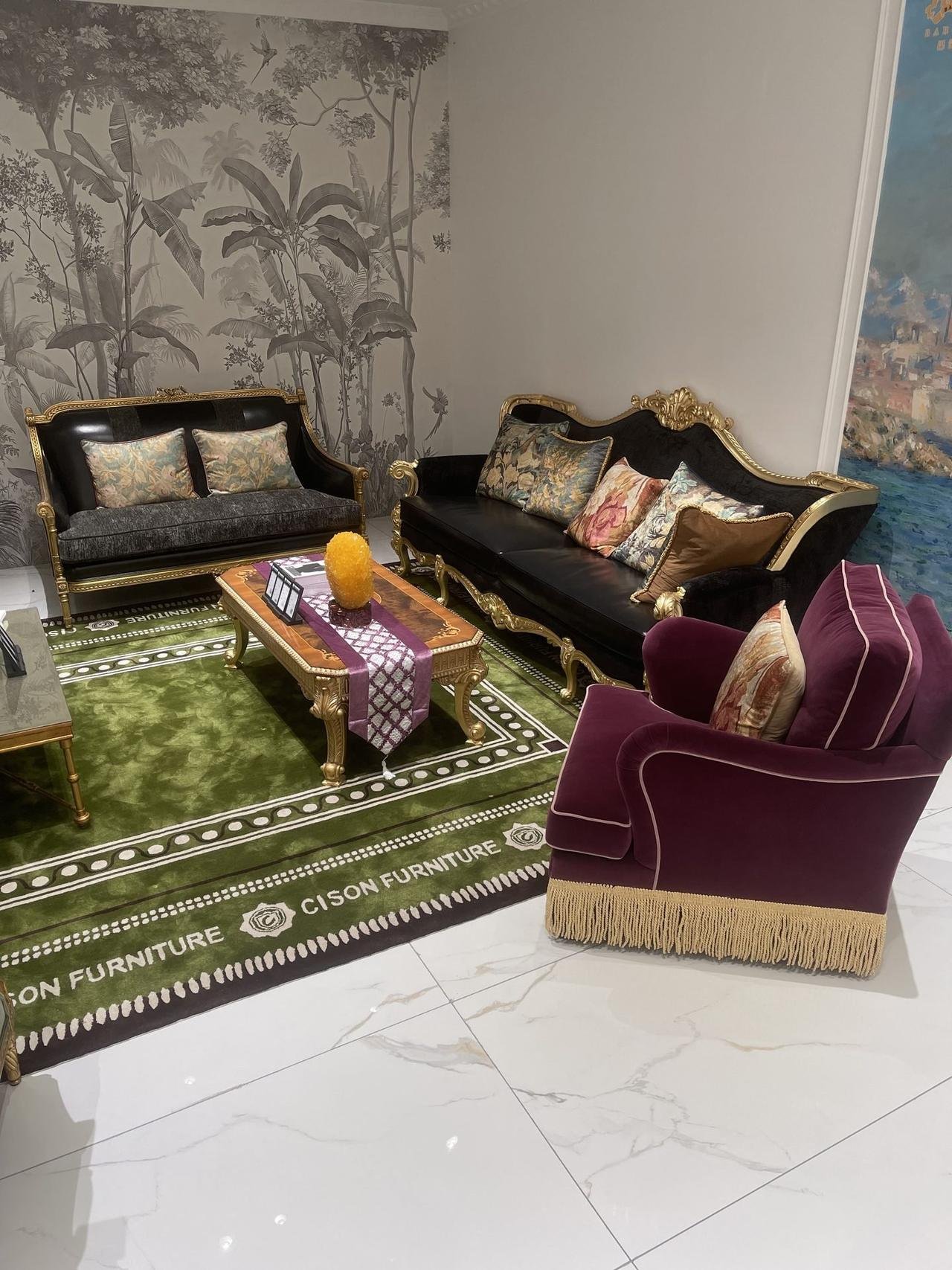
This guide explains how the market is organised, how pricing actually works inside it, and how to spend three days there without wasting two of them.
Lecong sits in the Shunde district of Foshan, about an hour by car from Guangzhou Baiyun airport and roughly two hours from Shenzhen. It grew as the wholesale and exhibition face of the region's manufacturing base: the factories are mostly in Longjiang and the surrounding towns, while Lecong is where product is displayed, negotiated and sold.
That distinction matters commercially. A booth in Lecong may be operated by the factory itself, by an exclusive distributor, or by a trading company representing several factories. All three will quote you a price, and the price will not tell you which one you are talking to. Ask directly: do you manufacture this model, and where is the production site?
| Tier | Examples | Price level | What it is good for |
|---|---|---|---|
| High-end exhibition halls | Luofu International Furniture City and neighbouring flagship buildings | Highest | Design reference, premium finishes, brand-level presentation |
| Mid-market wholesale buildings | Shunlian North and South, Huangchao, Dongheng | Middle | Volume ranges, reliable exporters, mixed categories |
| Budget and clearance blocks | Smaller buildings and street-level units around the district | Lowest | Fast-moving stock, promotional ranges, single-container buys |
A practical three-day structure: day one in the mid-market buildings to calibrate price against quality, day two in the high-end halls to see what the top of the market is doing and to collect design references, day three back in the mid-market to negotiate with the two or three suppliers worth pursuing. Starting at the top instead usually produces a distorted sense of what things cost.
Prices displayed in a booth are domestic retail or list prices. They are a starting point for a conversation, not an export quotation. Three variables move the number:
The most useful question in Lecong is not "what is your best price". It is "what exactly is included at this price, and what changes if I order fifty".
Buying a floor sample is common and often sensible for a first container, but treat it as a purchase with its own rules.
Lecong is well served for export. Most shipments move by truck to Shenzhen (Yantian or Shekou), Guangzhou Nansha, or overland to Hong Kong.
If you are buying from several booths, the practical route is a consolidation warehouse: goods are delivered in, checked against your list, re-packed for sea freight, and loaded into a single container. This is routine in Lecong and usually cheaper than booking several LCL shipments, particularly once you pass roughly half a container of volume.
Two things to arrange before you leave the market: a written packing list with model numbers and quantities, and a named contact for each supplier who can answer questions during consolidation. Chasing eight booths by WeChat from another country is a slow way to solve a loading problem.
Staying in Lecong itself, within walking distance of the main buildings, is worth the small premium. The district is spread out, and the difference between a fifteen-minute walk and a forty-minute taxi each way is roughly two hours of buying time per day.
Bring a measuring tape, a notebook, and a phone with a translation app. English coverage is good in the mid-market and high-end buildings, thinner in the budget blocks. Business cards still matter; a printed card with your company name, market and typical order volume gets a better conversation than a phone number written on a receipt.
Lecong is best used as a calibration exercise and a sourcing entry point, not as a final destination. Three days there will tell you what the market is buying, what things should cost, and which suppliers are worth a factory visit. The margin, and the reliability, comes from what happens after: the factory audit, the specification, the inspection and the consolidation.
GAVIN works out of Foshan and covers both sides of that process — market orientation in Lecong, then production and quality control at the factory. If you are planning a sourcing trip, tell us your categories and target price, and we will map the buildings worth your time before you land.